P&P Landscaping and Tree Service · Blog
Can You Lay Sod in Winter in South Florida?
Quick Summary
Yes, you can lay sod in November and December in South Florida. Mild winters let sod stay alive and root, but cooler weather slows establishment, so watering and patience matter. St. Augustine is a common choice for South Florida lawns. Winter sod may root before it shows much new top growth. Water less often than in hot weather, but keep the soil beneath new sod moist. Wait to fertilize until the sod is rooted and actively growing. DIY can work for small, level patches. Larger or difficult areas may need a crew.
Can you lay sod in November or December?
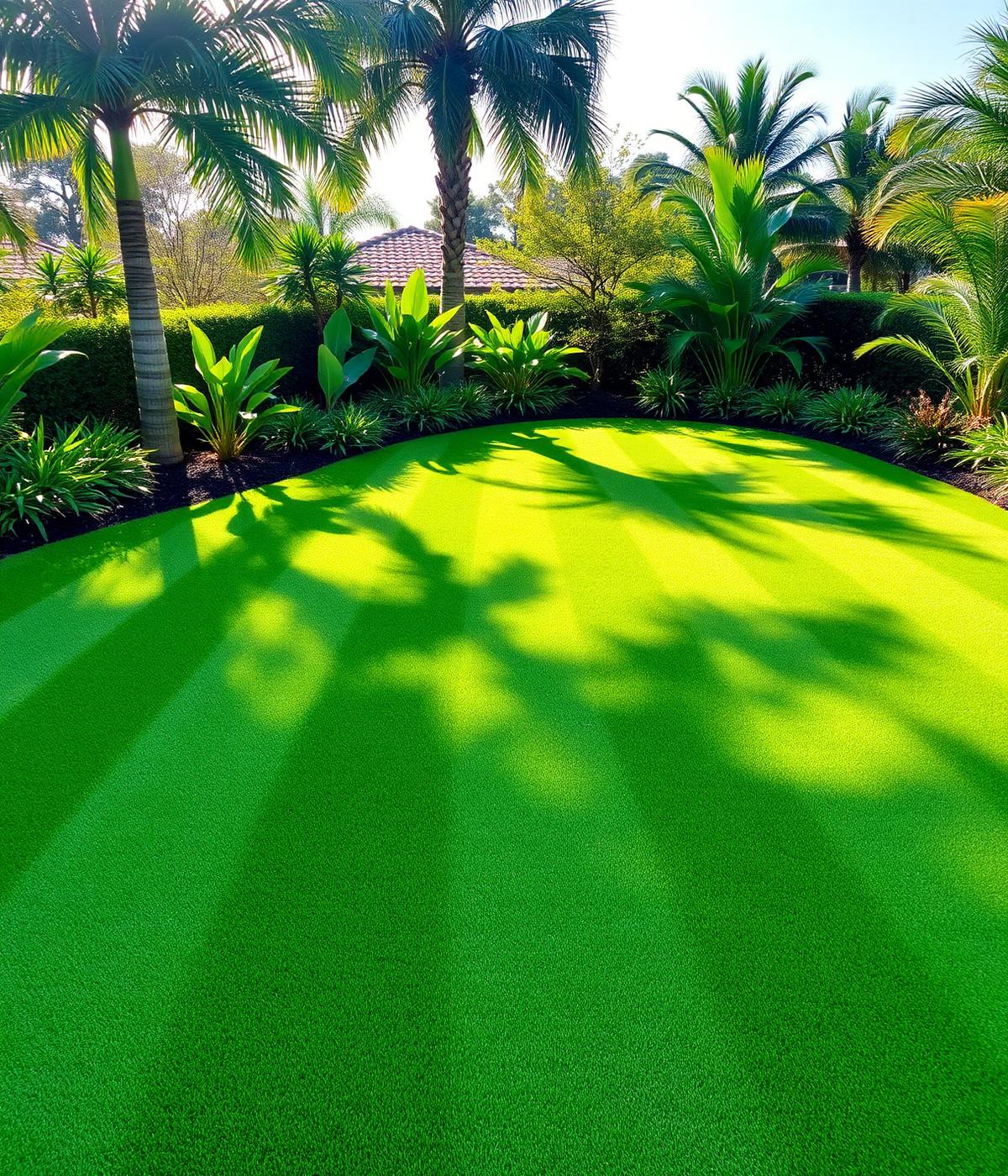
Yes. In most of South Florida, November and December are workable months for laying sod. Our winters are mild, the soil usually stays warm enough for roots to keep developing, and hard freezes are uncommon across much of the area.
There are still caveats. A cold snap can slow roots further, and sod needs good contact with prepared soil to establish. Avoid laying it just before a forecast freeze, and make sure irrigation is ready before the delivery arrives.
How does winter affect sod rooting?
Sod can stay alive while growing slowly. In cooler, drier winter weather, roots usually take longer to anchor into the soil, and there is less visible growth at the top. That means less mowing at first, but more patience before the lawn feels established.
Rooting and green-up are not the same thing. New roots may be growing below the surface even when the blades are not getting longer or greener. Gently tug a corner now and then. If it resists lifting, it is beginning to knit in. Keep foot traffic light until it takes hold.
Slow growth does not mean the grass is failing. Sandy soil, drainage, shade, and sun all affect how fast it roots.
How should you water new sod in winter?
Cooler air and shorter days mean less evaporation than in summer. New sod still needs moisture. Keep the sod and the soil beneath it damp while roots establish, without leaving the area soggy.
- First week: Water after installation, then check daily and water when the surface and the soil under it start to dry.
- Second week: Space out watering as the sod starts to hold. Soak the soil below the sod, not just the blades.
- Weeks three and four: Water less frequently and more deeply as roots extend. Check for rooting before reducing water further.
- After establishment: Water as needed based on rain, soil, and current local watering rules.
Water in the morning when possible. Grass that stays wet through a cool night can grow fungus or rot. Watch for soft, soggy patches and adjust for rain or a cold front. New sod may need its own schedule.
When should you fertilize new sod?
Do not try to speed up winter growth with a heavy dose of nitrogen. Sod that has not rooted cannot use it well, and extra nutrients wash through sandy soil. Wait until the grass is rooted and actively growing, then use a product made for the grass type and follow the label.
Fertilizer rules change by location and season, and some areas limit use when heavy rain could wash nutrients into storm drains. Check current local rules first.
Which sod types work in South Florida?
St. Augustinegrass is the main sod choice for many South Florida residential lawns. It can handle some shade better than many other warm-season grasses, though it still needs enough light. It can also be susceptible to chinch bugs and disease, so proper watering and lawn care matter.
Palmetto is a popular St. Augustine variety, often chosen for its shade and cold tolerance compared with Floratam. The right choice depends on sunlight, how the yard is used, and the site.
| Sod type | Sun and shade | Wear | Cold tolerance |
|---|---|---|---|
| St. Augustine, including Palmetto | Moderate shade, not deep shade | Moderate | Palmetto is often chosen for improved cold tolerance |
| Floratam St. Augustine | Best in sun | Moderate | Less tolerant of cold than Palmetto |
| Bahia | Best in sun | Good for practical lower-input areas | Generally handles cold better than St. Augustine |
| Zoysia | Varies by variety, usually needs sun | Good | Varies by variety |
These are general comparisons, not guarantees. A shaded yard behaves differently from an open lawn in salt air and full sun.
Should you install sod yourself or call a crew?
DIY suits a small bare patch on flat ground with easy access. You still need to clear debris, prepare and level the soil, fit the pieces tightly, and water on schedule. A patch can look uneven if the new grass does not match the old lawn.
A crew makes more sense for a large area, sloped ground, old sod removal, poor soil, or tight gate access. It is also worth getting help if grading or irrigation needs fixing first, since drainage and sprinkler coverage decide whether the new lawn survives.
Our services include sod installation and repair, mulch installation, hedge trimming, tree trimming and removal, and palm trimming. We deliver sod and mulch straight to your driveway. We have no walk-in store.
What should you check before installation?
Checklist:
- Is the area clear of weeds, debris, and unwanted old grass?
- Does the ground slope away from the house and drain without pooling?
- Is the soil loosened and evenly prepared?
- Can the irrigation system reach the whole area?
- Will the sod be laid promptly after delivery?
- Can you keep people and pets off the new lawn while it roots?
- Have you checked current local watering and fertilizer rules?
How does winter sod fit local conditions?
North Miami and nearby communities in Miami-Dade County and Broward County have a dry winter season, sandy soil, and salt air in some spots. That makes checking moisture important even when the weather feels cool. Heavy summer rain can also leave drainage problems worth fixing before a new lawn goes in.
P&P Landscaping and Tree Service works in North Miami, Miami Shores, North Miami Beach, Aventura, Miami Beach, Hollywood, and Fort Lauderdale. Sod installation in North Miami and nearby communities can be planned around your yard's sun, soil, access, and irrigation.
For a free quote, call (786) 892-9894 or request an estimate online. You can also see our landscaping and sod services.
Get a free quote
If you are searching for sod installation North Miami, we can assess your yard and explain what needs attention. Call (786) 892-9894 for a free quote, or book online.
Our sod installation South Florida crew handles sod, mulch, hedge trimming, tree trimming and removal, and palm trimming. We will do the work your lawn needs, not more.
Frequently asked questions
- Can you lay sod in winter in South Florida?
- Yes. November and December are generally workable because South Florida winters are mild. Expect slower rooting and avoid installation if a hard freeze is forecast.
- How long does winter sod take to root?
- It depends on weather, soil contact, sunlight, and watering. Winter rooting is slower than during warm weather, so check whether the sod resists a gentle tug rather than relying on how fast the blades grow.
- Should I water new sod every day in winter?
- Not necessarily. Cooler weather reduces evaporation, so daily watering may leave the lawn too wet. Check the sod and soil, water in the morning, and adjust for rain and your irrigation system.
- Can I fertilize sod as soon as it is installed?
- Avoid heavy fertilizer before the sod roots. Wait until it is established and actively growing, then use a product intended for the grass type and follow its label and current local rules.